

Keynote Speeches
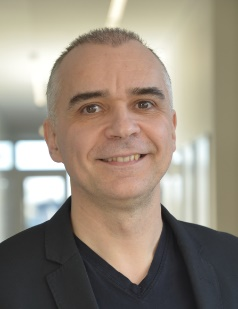
Prof. Josep M. Guerrero
IEEE Fellow
Huanjiang Laboratory, China
Topic
Bio-Inspired DC Microgrids: Merging Neuroscience, AI, and Renewable Energy Systems
Abstract
Bio
Josep M. Guerrero (S'01-M'04-SM'08-FM'15) received the B.Sc. degree in telecom engineering, M.Sc. degree in electronics engineering, and PhD degree from the Technical University of Catalonia, Barcelona, Spain. Since 2011, he has been a Full Professor with AAU Energy, Aalborg University, Denmark, where he is responsible for the Microgrid Research Program. From 2019, he became a Villum Investigator by the Villum Fonden, which supports the Center for Research on Microgrids (CROM) at Aalborg University, with Prof. Guerrero as the founder and Director of the same center. In 2020, he initiated neuroscience studies and research. As a result, in 2022 he received the M.Sc. degree in Psychobiology and Cognitive Neuroscience from the Institute of Neuroscience (INc) at the Autonomous University of Barcelona, and in 2023 he received the M.Sc. degree in Sleep: Physiology and Medicine at the University of Murcia, Spain. From 2023 to 2024 he was with the Technical University of Catalonia as an ICREA Research Professor. In 2023 he joined Huanjiang Laboratory, Zhejiang University, as a director of the CROM, Zhuji, Shaoxing, China. In 2025 he became a Distinguished Senior Researcher at the department of electrical engineering, University of Valladolid, Spain. His research interests are oriented to different microgrid frameworks like energy microgrids, hydrogen and biomass, water microgrids, biological systems, seaport microgrids and electrical ships, airport microgrids and more electrical aircraft, space microgrids and smart medical systems. In these fields, he has researched distributed and cyber-physical energy systems, cybersecurity for microgrids and smart grids, neuroscience-inspired artificial intelligence for energy systems, machine learning and applications using signal processing, bioinformatics, bio-inspired computing, and quantum computing and quantum communication for complex energy networks. Prof. Guerrero is an Associate Editor for several IEEE TRANSACTIONS. He has published more than 1,000 journal papers in the fields of microgrids and renewable energy systems, which are cited more than 120,000 times. During nine consecutive years, from 2014 to 2023, he was awarded by Clarivate Analytics as Highly Cited Researcher. From 2020 to 2024 he was listed in the world's top 2% scientists by Stanford/Elsevier. In 2021, he received the IEEE Bimal Bose Award for Industrial Electronics Applications in Energy Systems, for his pioneering contributions to renewable energy based microgrids. In 2022, he received the IEEE PES Douglas M. Staszesky Distribution Automation Award, for contributions to making the hierarchical control of microgrid systems a practical reality. In 2023, he was the IEEE Modeling and Control Technical Achievement Award recipient for contributions to modelling and control of power electronics based microgrids. In 2024 he received the CSEE Journal of Power and Energy Systems Excellent Paper Award. In 2025, he has received the Zhejiang Foreign Expert West Lake Friendship Award, the highest honor that can be bestowed upon a foreign national, for his outstanding contributions to the economic and social development of Zhejiang Province.
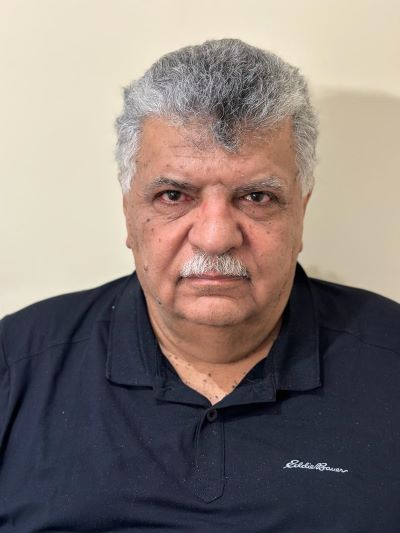
Prof. Alireza Bakhshai
IEEE Fellow
Queen's University, Canada
Topic
Incorporating Reinforcement Learning in Hybrid Control of DC Microgrids
Abstract
Bio
Professor Alireza Bakhshai received his PhD degree from Concordia University, Canada in 1997. From 1998 to 2004, he served as an assistant professor in the faculty of Electrical and Computer Engineering at Isfahan University of Technology. Since 2004, he has been with Queen's University in Canada, where he is currently a full professor. Dr. Bakhshai is a fellow of the IEEE and a licensed Professional Engineer (P.Eng.) in Ontario, Canada. He has co-authored more than 400 peer-reviewed papers and scientific publications in the field of power electronics including high power electronics and applications, renewable energy conversion, and control systems.
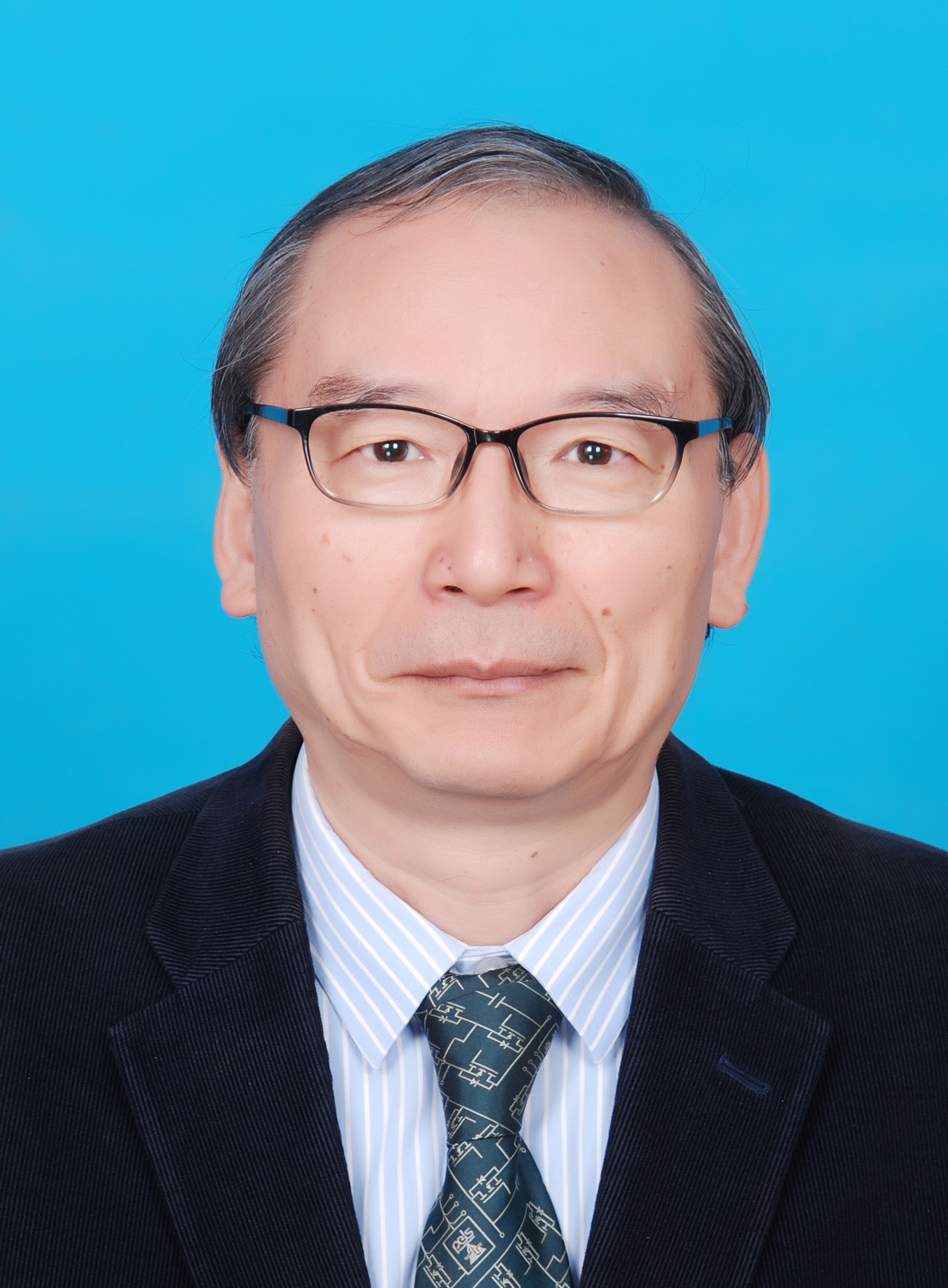
Prof. Dehong Xu
IEEE Fellow
Zhejiang University, China
Topic
The Changing Landscape of Data Center Power Supply Systems
Abstract
Bio
Prof. Mark Dehong Xu received a Ph.D. in Electrical Engineering from Zhejiang University, China in 1989. Presently he is Distinguished Professor of the Zhejiang University and the Director of the Institute of Power Electronics. He used to be a visiting professor at the University of Tokyo, Virginia Tech and ETH. His research interests include modeling, control and design of power electronic circuits/systems, and their applications to renewable energy, data centers, E-mobility, and industrial power conversion systems. He authored or co-authored 18 power electronics books and over 300 IEEE Journal or Conference papers. He received 9 IEEE journal or conference prize paper awards. He was an IEEE Fellow in 2013. He was IEEE PELS Distinguished Lecturer in 2015-2018. He received the IEEE PELS R. D. Middlebrook Achievement Award in 2016 and IEEE PELS Harry A. Owen, Jr. Distinguished Service Award in 2024. He currently serve as Vice-President Membership of the IEEE Power Electronics Society. He is a Co-Editor-in-Chief of the IEEE Open Journal of Power Electronics, an associate editor of the IEEE Transaction on Power Electronics etc. He was the General Chair of several IEEE international conferences.
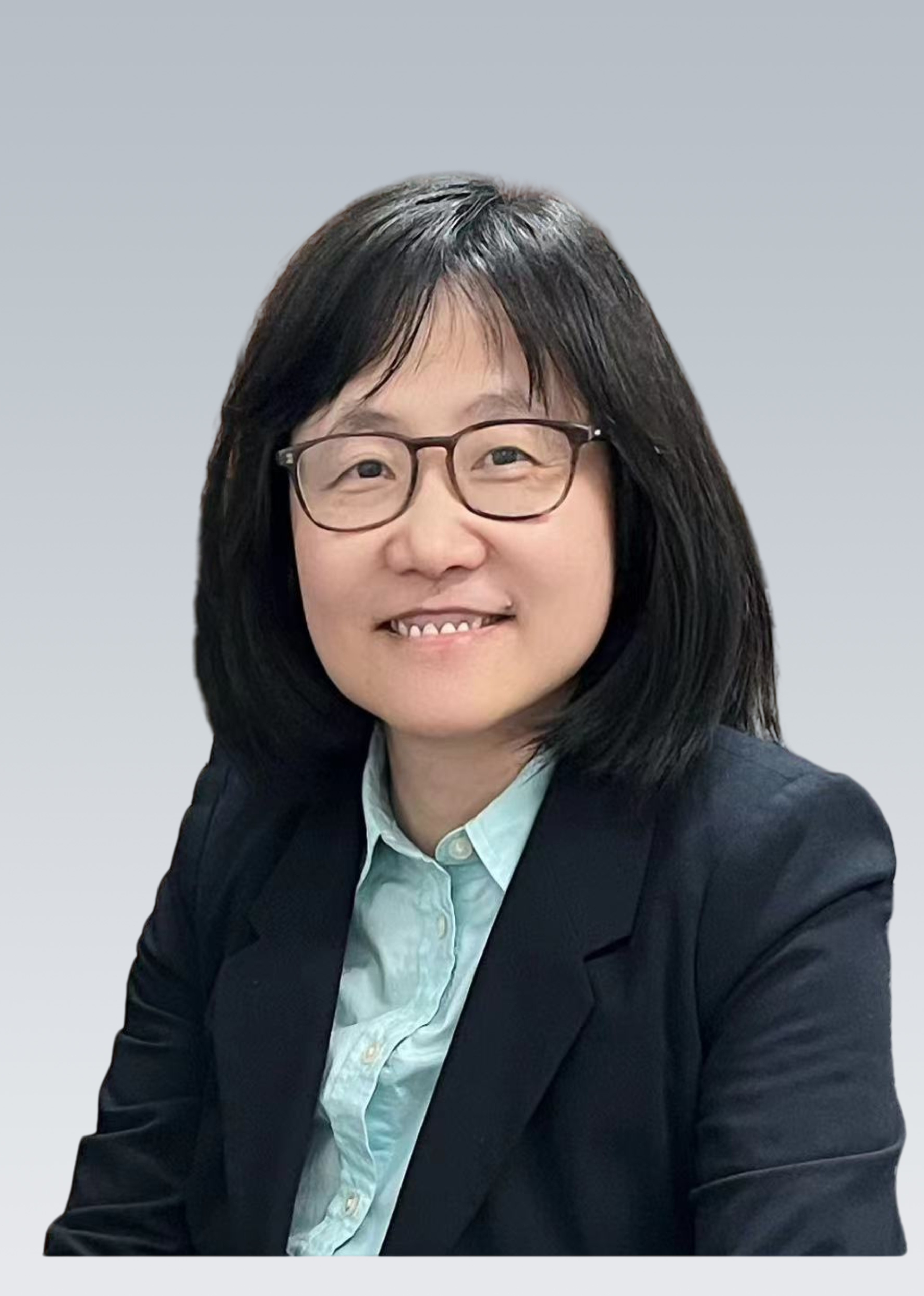
Prof. Li Qi
IEEE Fellow
Xi'an Jiaotong University, China
Topic
Direct Current for Future Energy Systems
Abstract
Bio
Prof. Li Qi received her Bachelor's degree from Xi'an Jiaotong University (XJTU), in 1994, and Master degree from Zhejiang University (ZJU) in 1997. Prof. Qi received her Ph.D. from Texas A&M University, College Station, USA, in 2004. All in Electrical Engineering. From 2004 to 2009, Prof. Qi was a research faculty at Florida State University, USA. In 2009, Prof. Qi joined ABB Research Center in Raleigh, North Carolina. From 2017 to 2024, she was a Senior Principal Scientist at ABB. As an industrial researcher, Prof. Qi worked on various types of AC and DC commercial and industrial systems, DC distribution protection, and integration of renewables. In April 2024, Prof. Qi joined XJTU as a professor in School of Electrical Engineering. Prof. Qi was elevated to Fellow of IEEE in 2024 for her contributions to DC distribution protection and architectures of DC shipboard power systems. Prof. Qi is the Co-Chair of technical committee of 2021 and 2024 IEEE International Conferences on DC Microgrid (ICDCM). Prof. Qi is the general chair of 2026 ICDCM. She has been associate editors for several IEEE Journals, including IEEE Transactions on Power Delivery. Prof. Qi has 21 granted international patents and published more than 80 journal and conference papers.